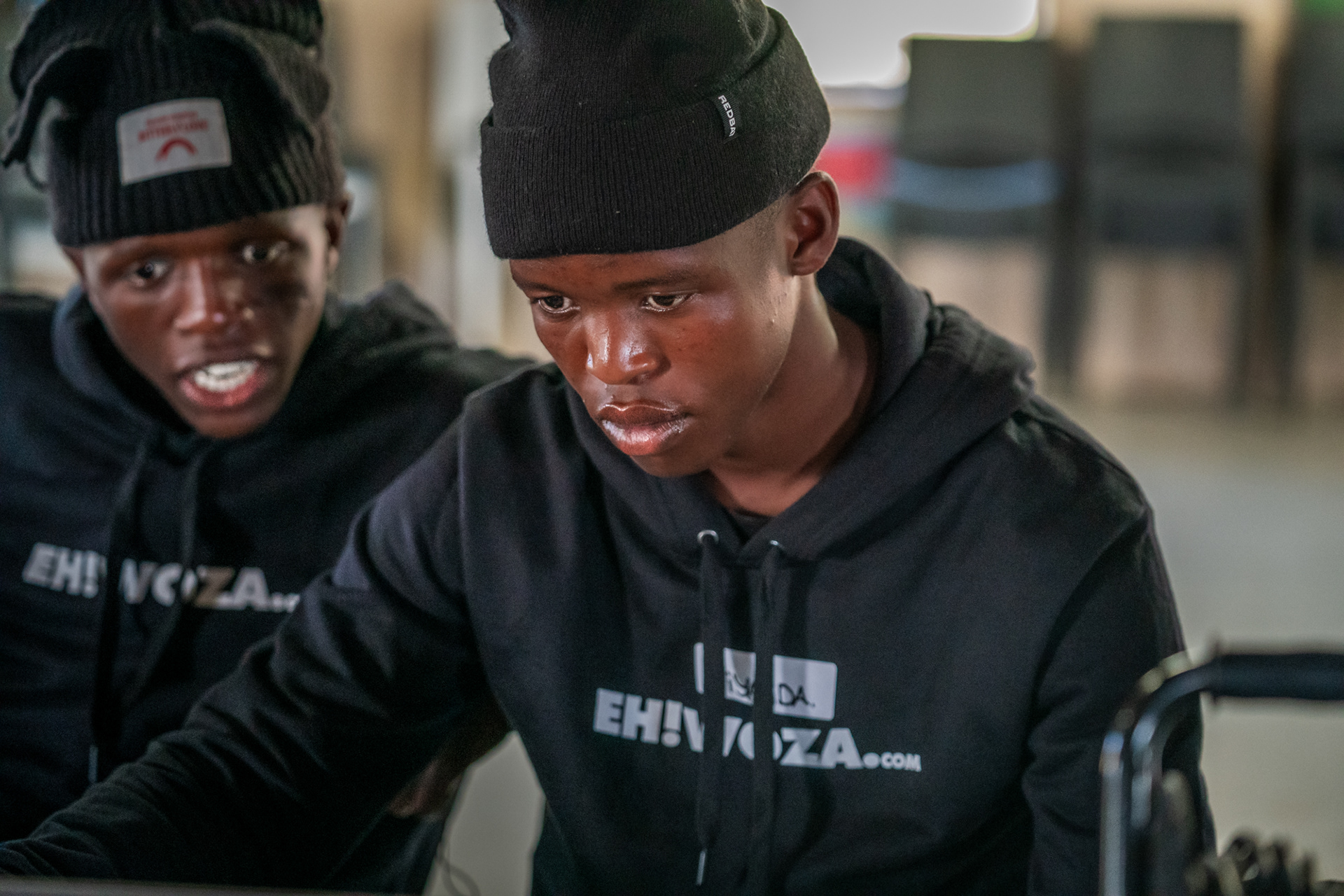
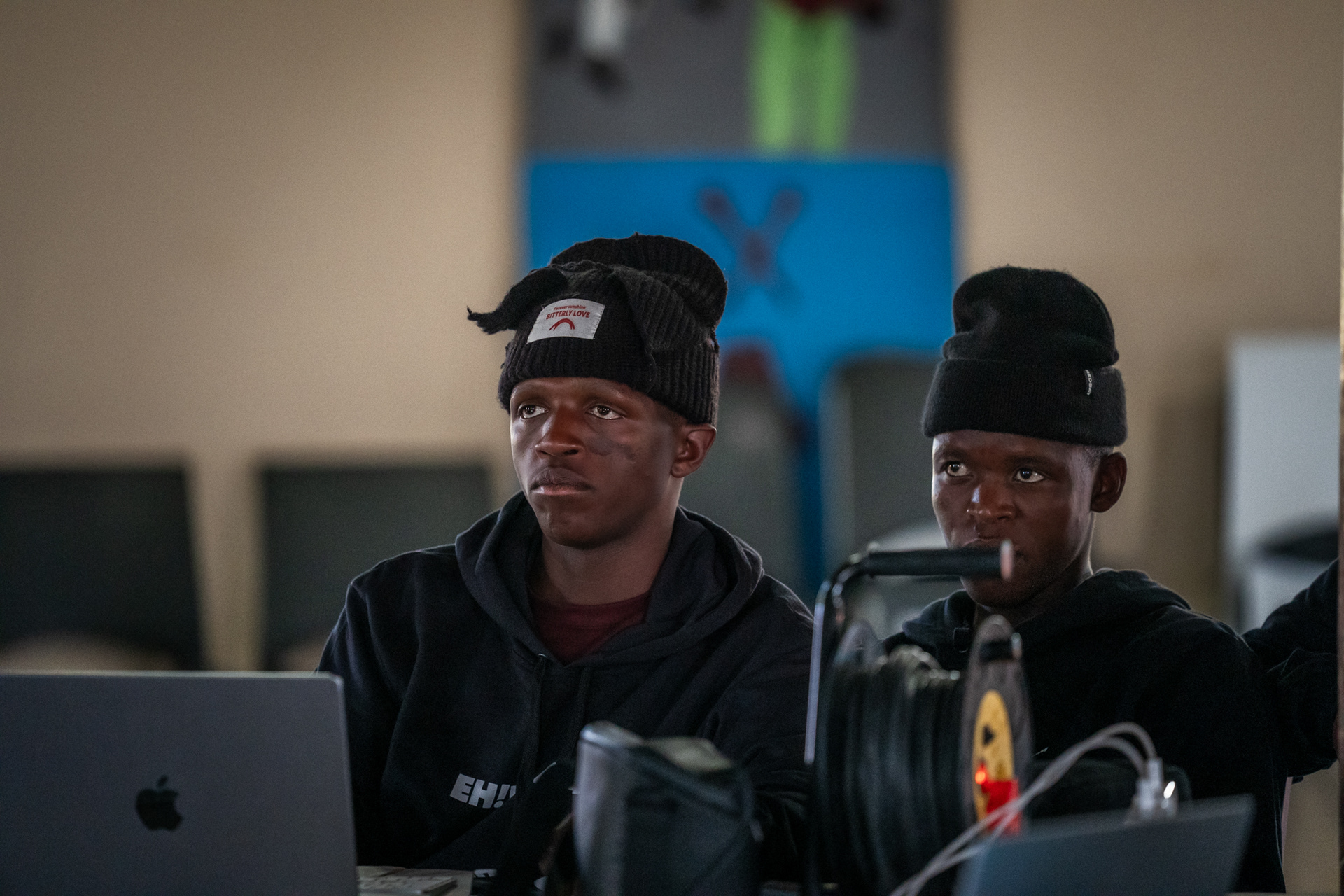
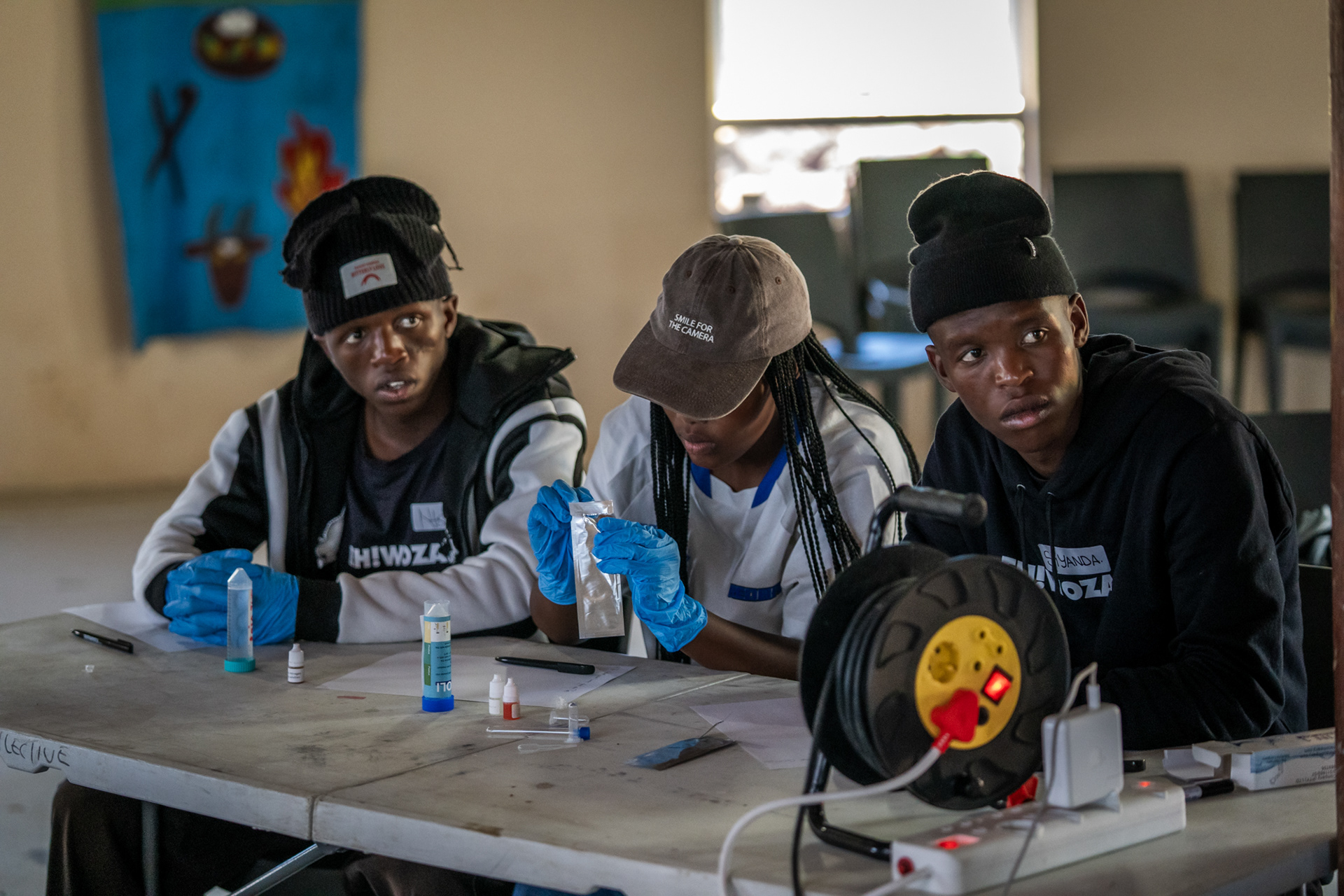
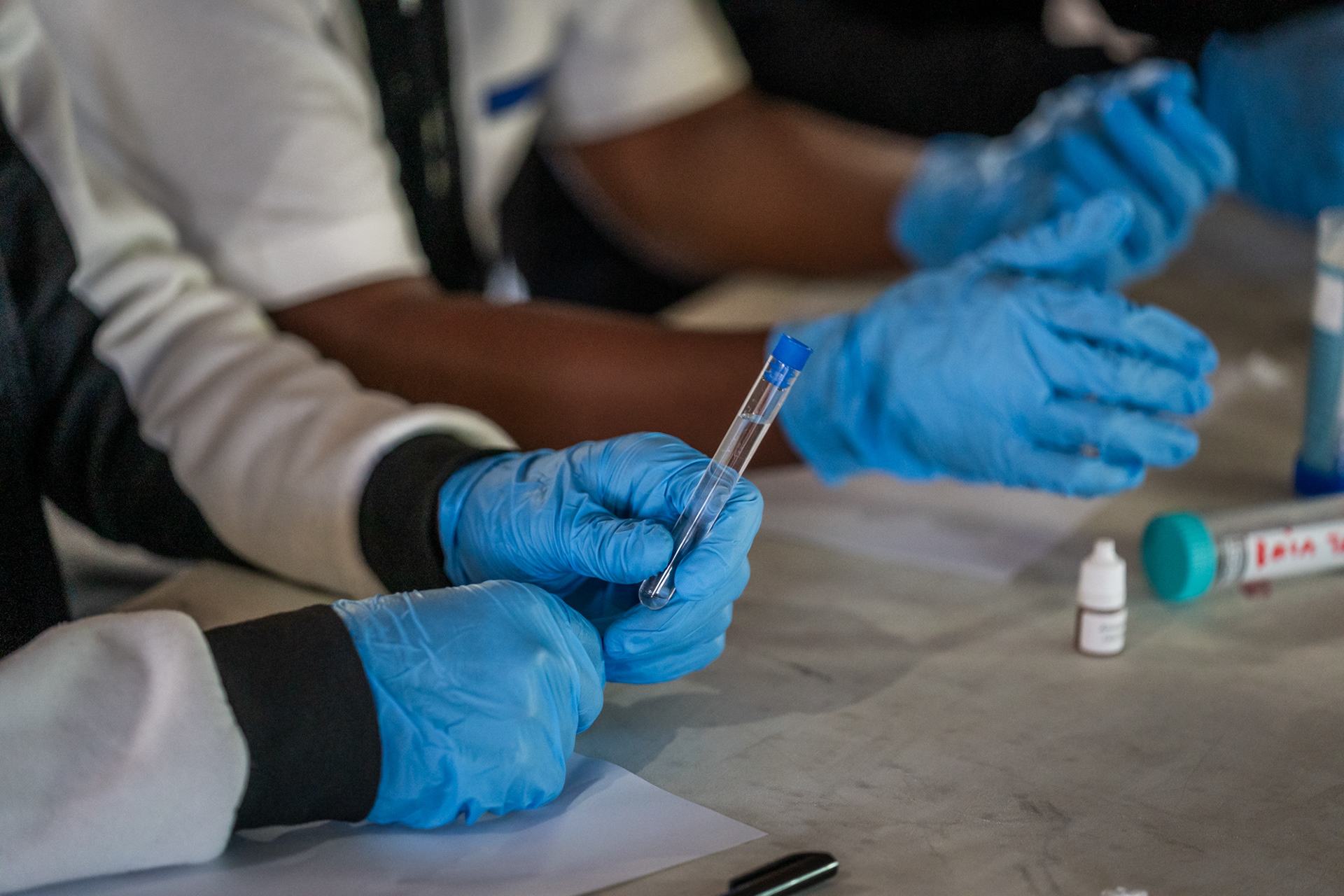
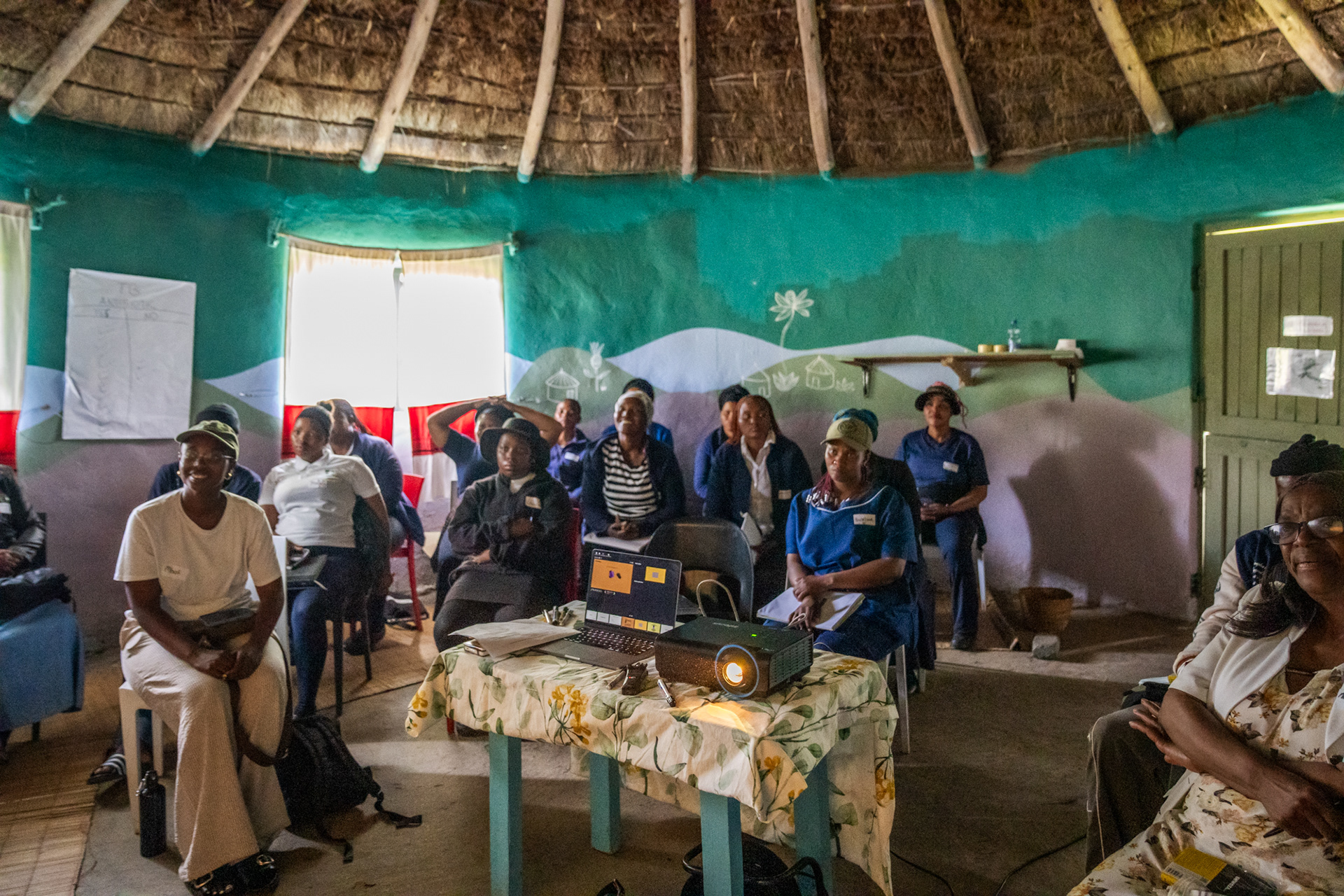
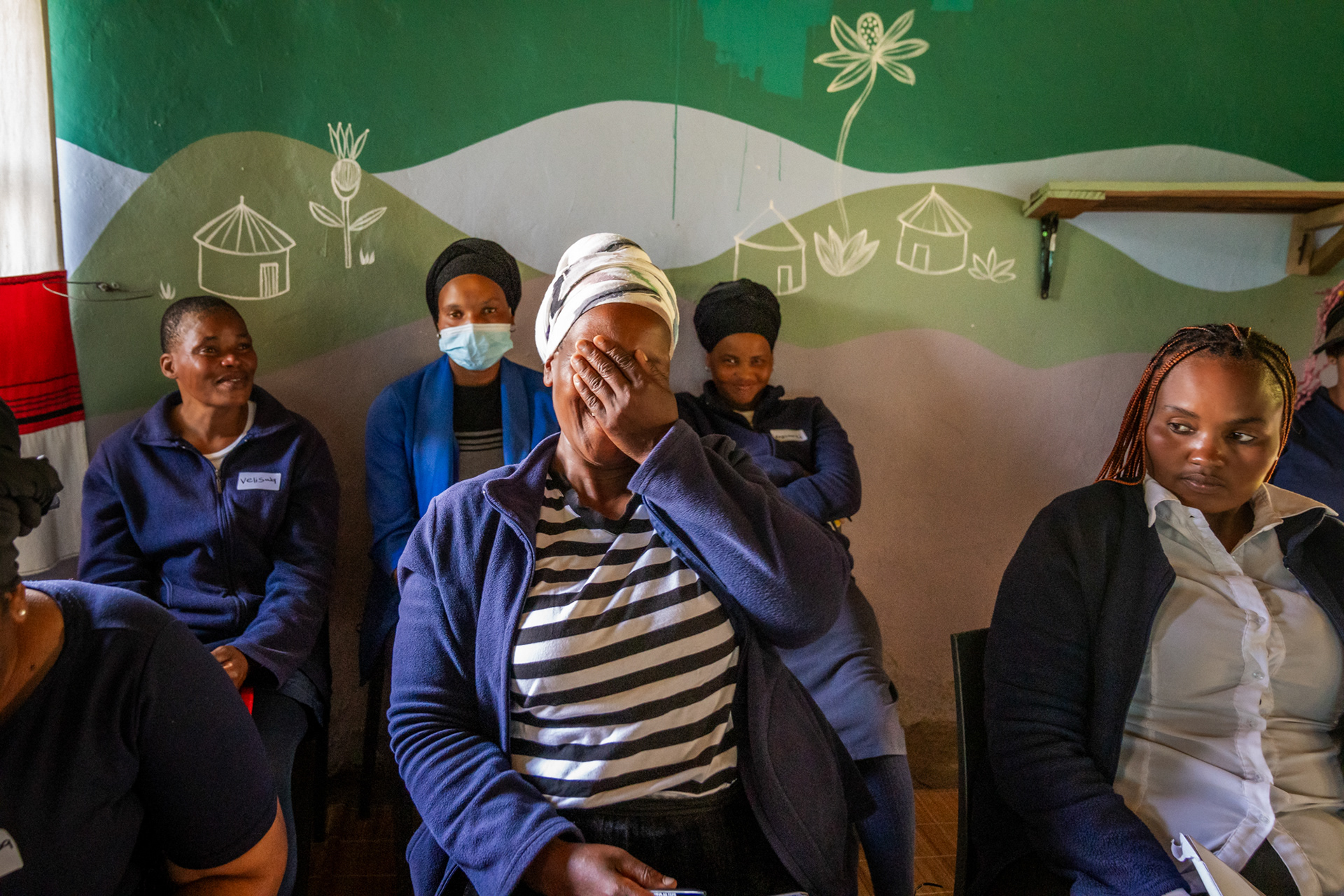
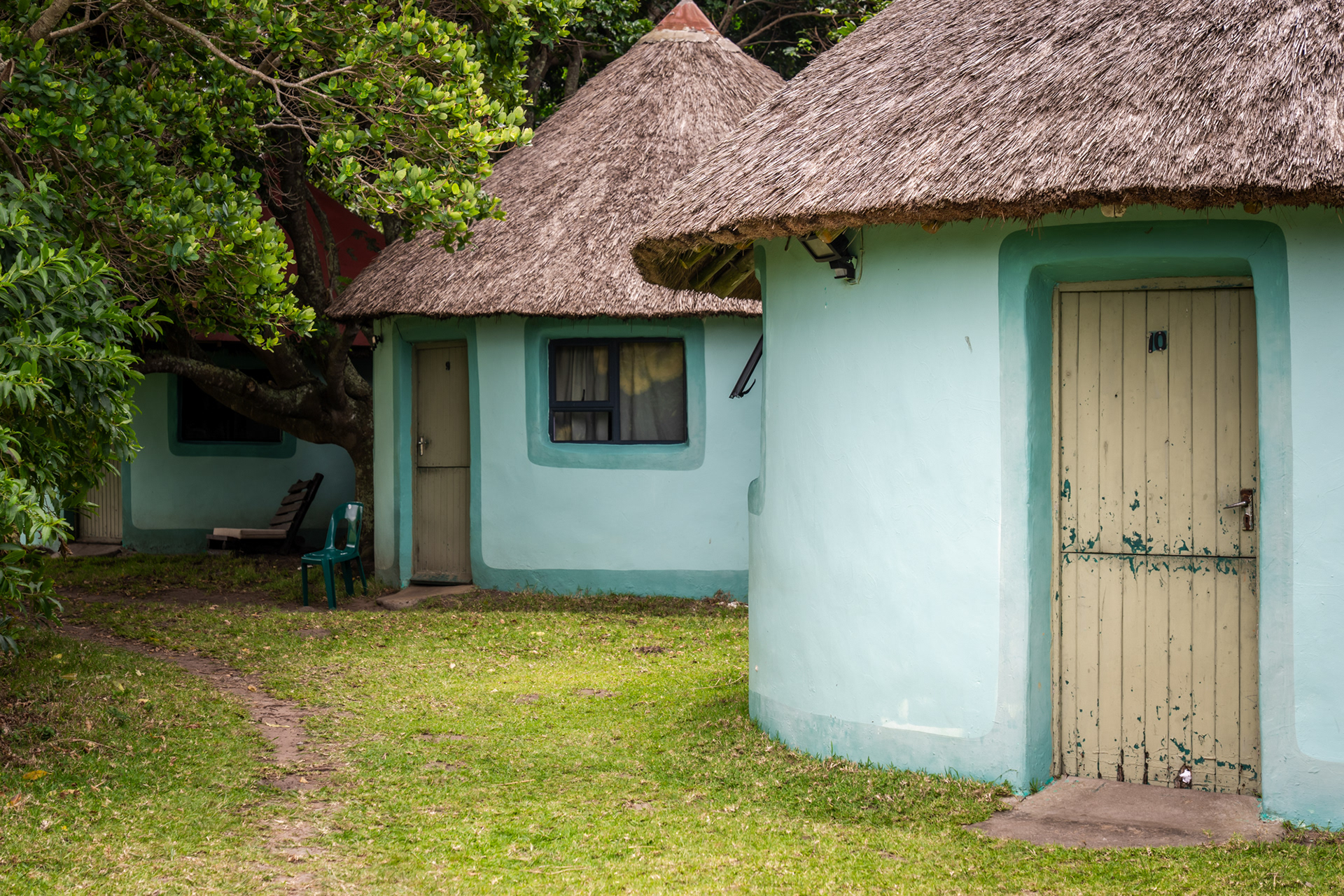
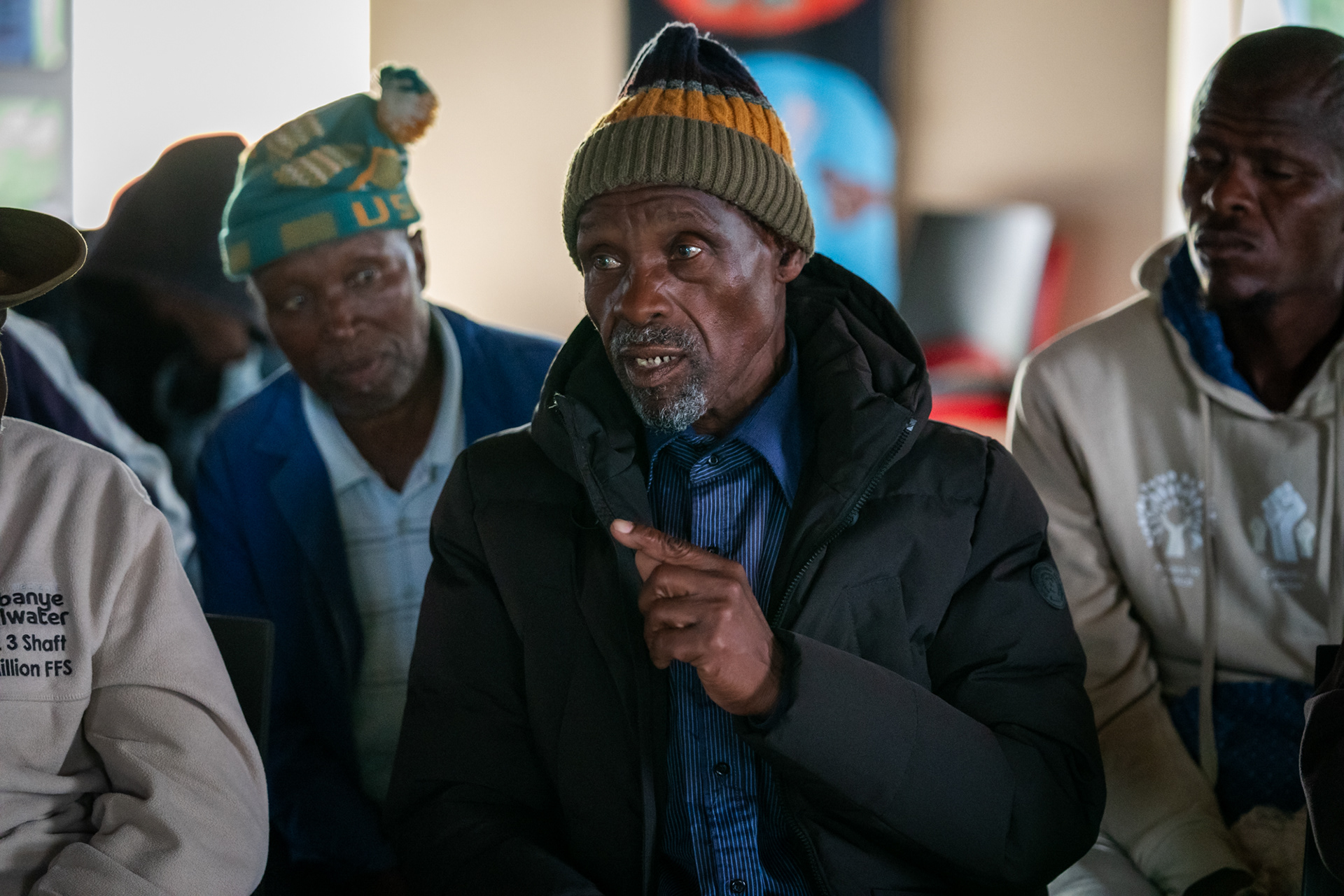
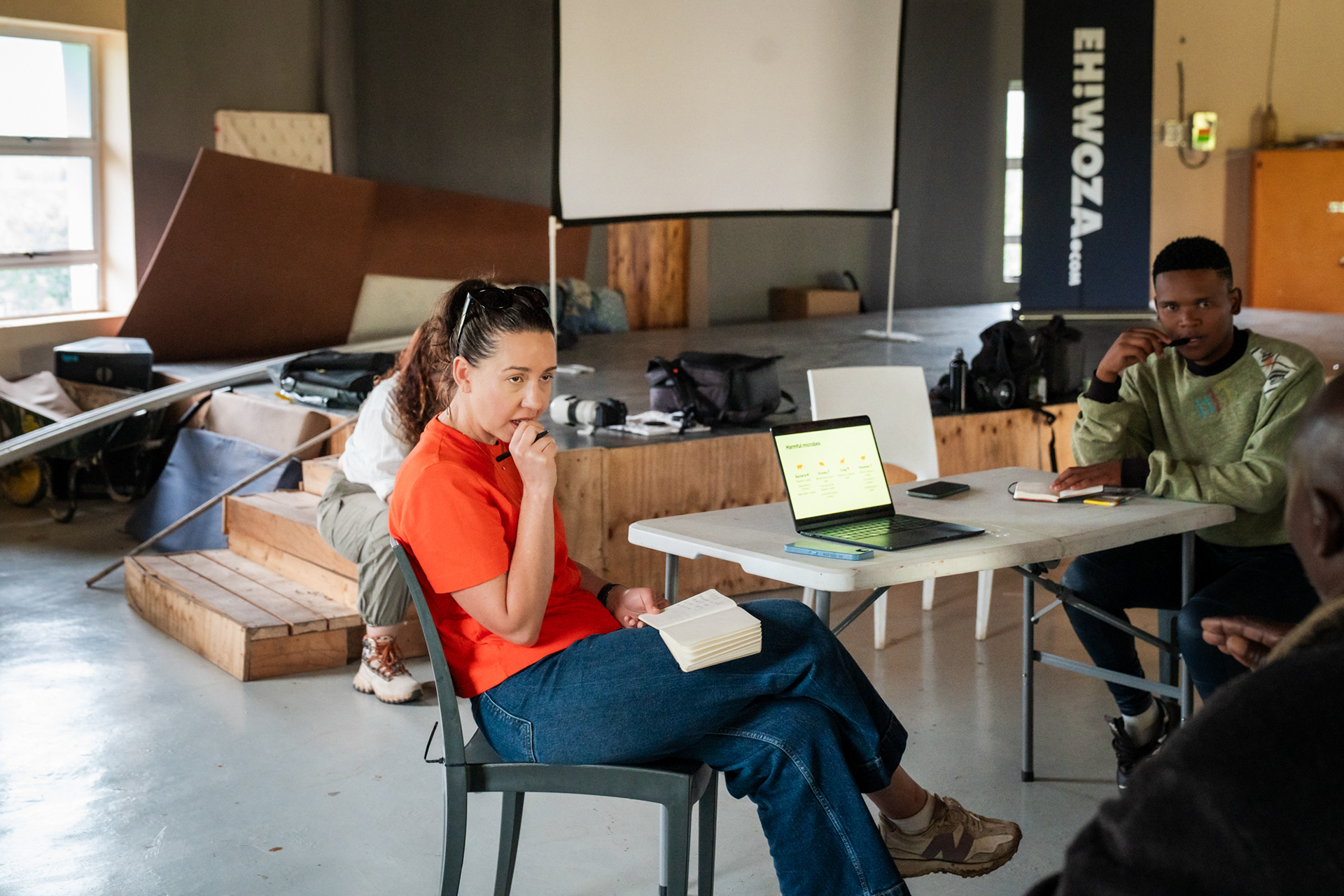
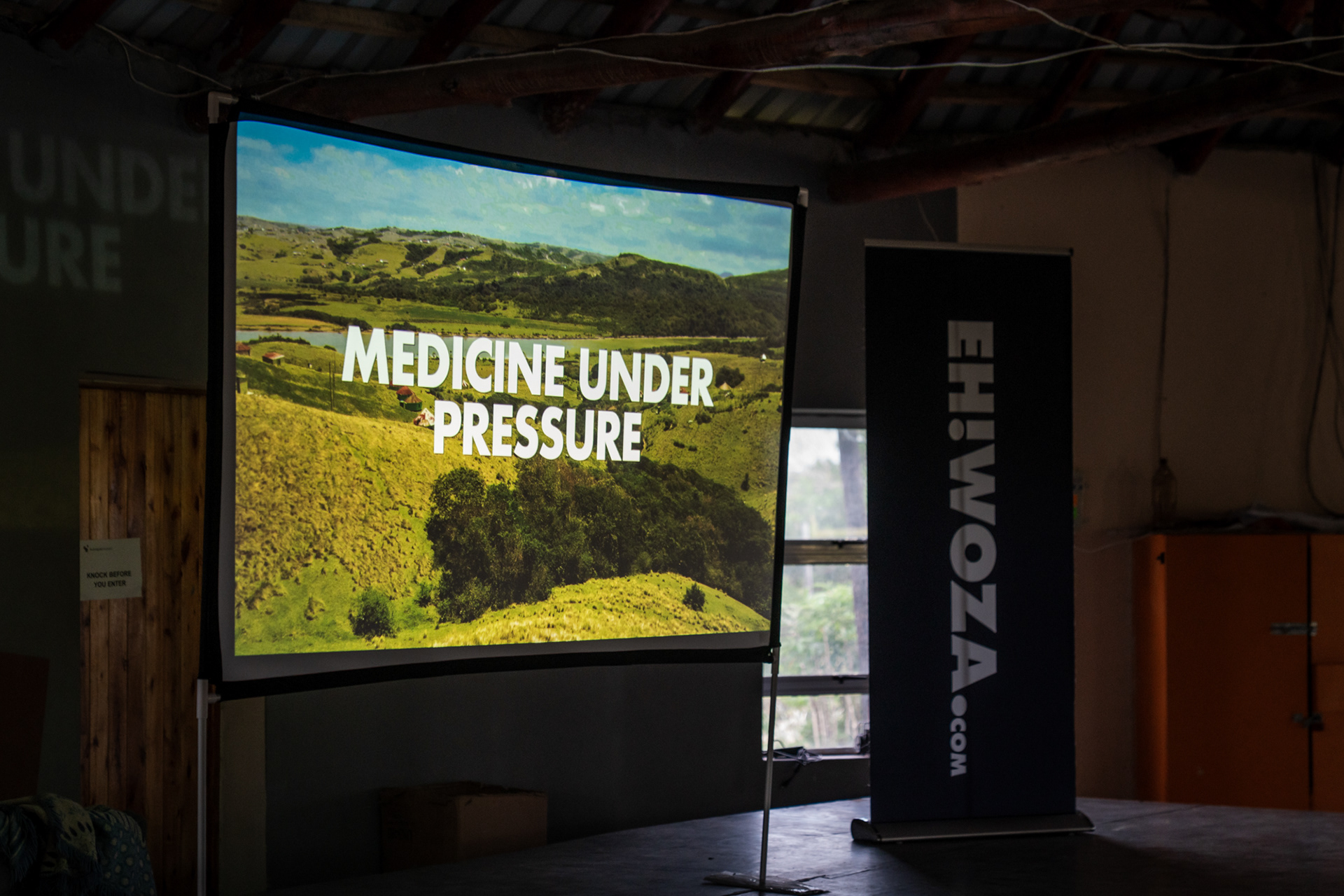
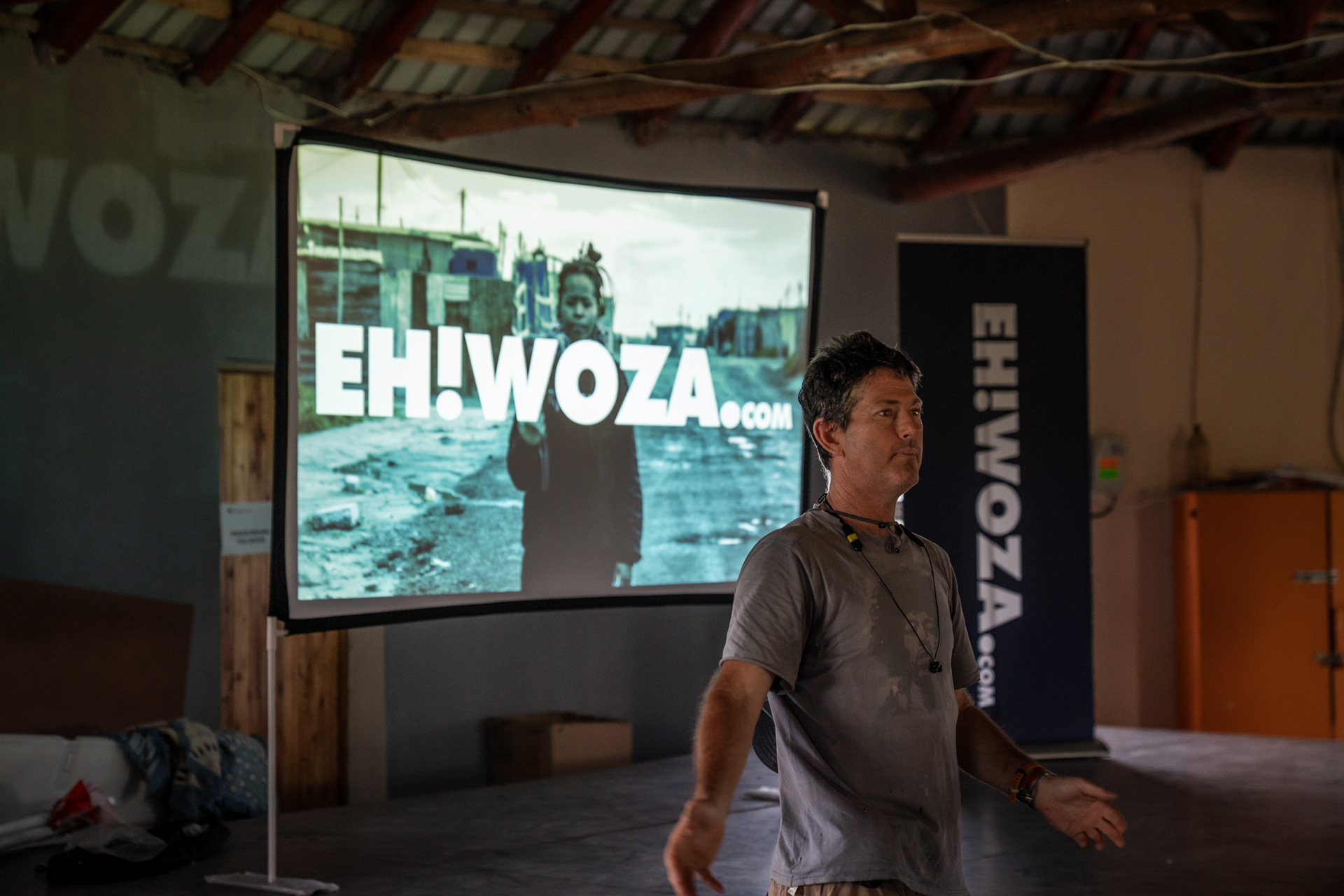
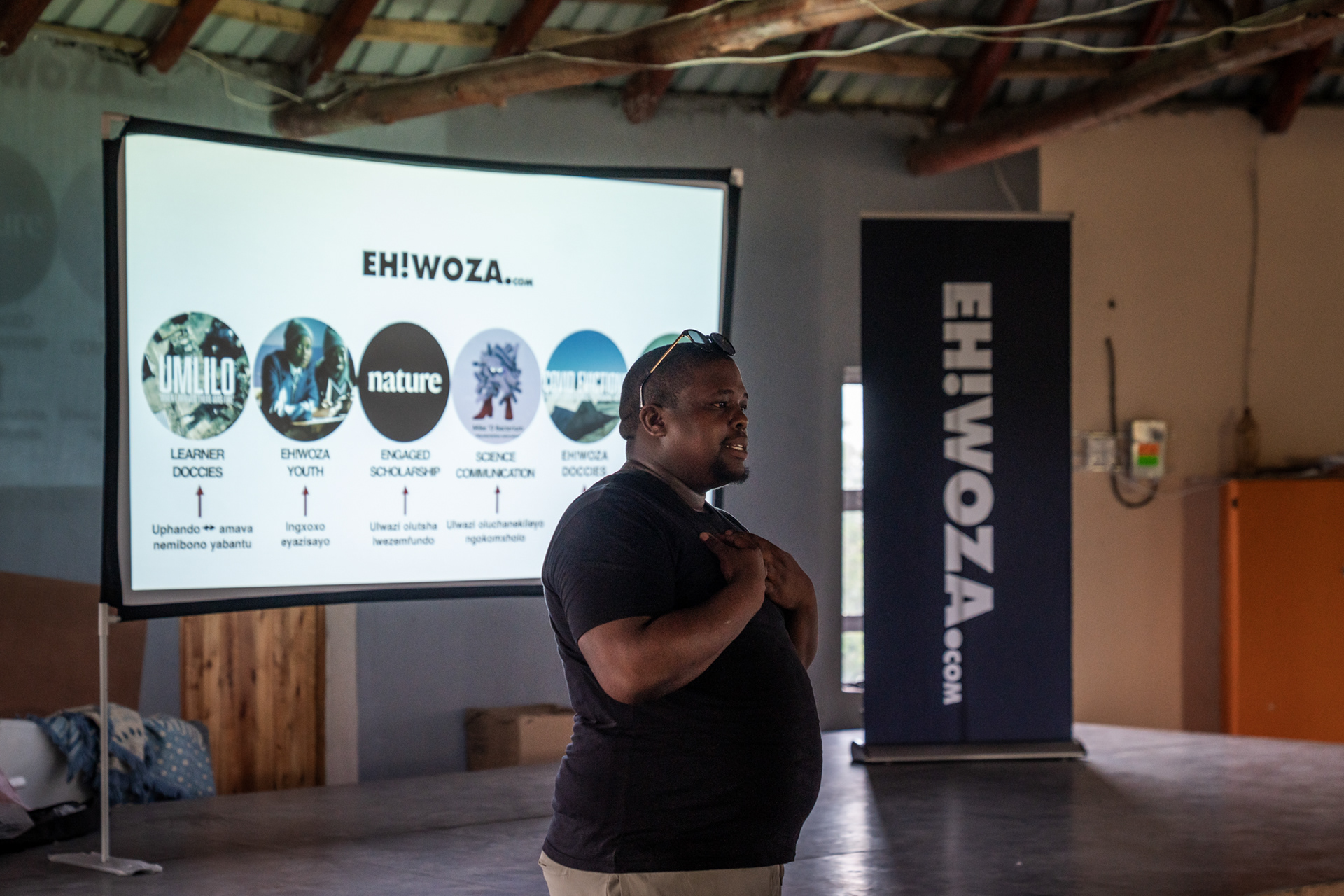
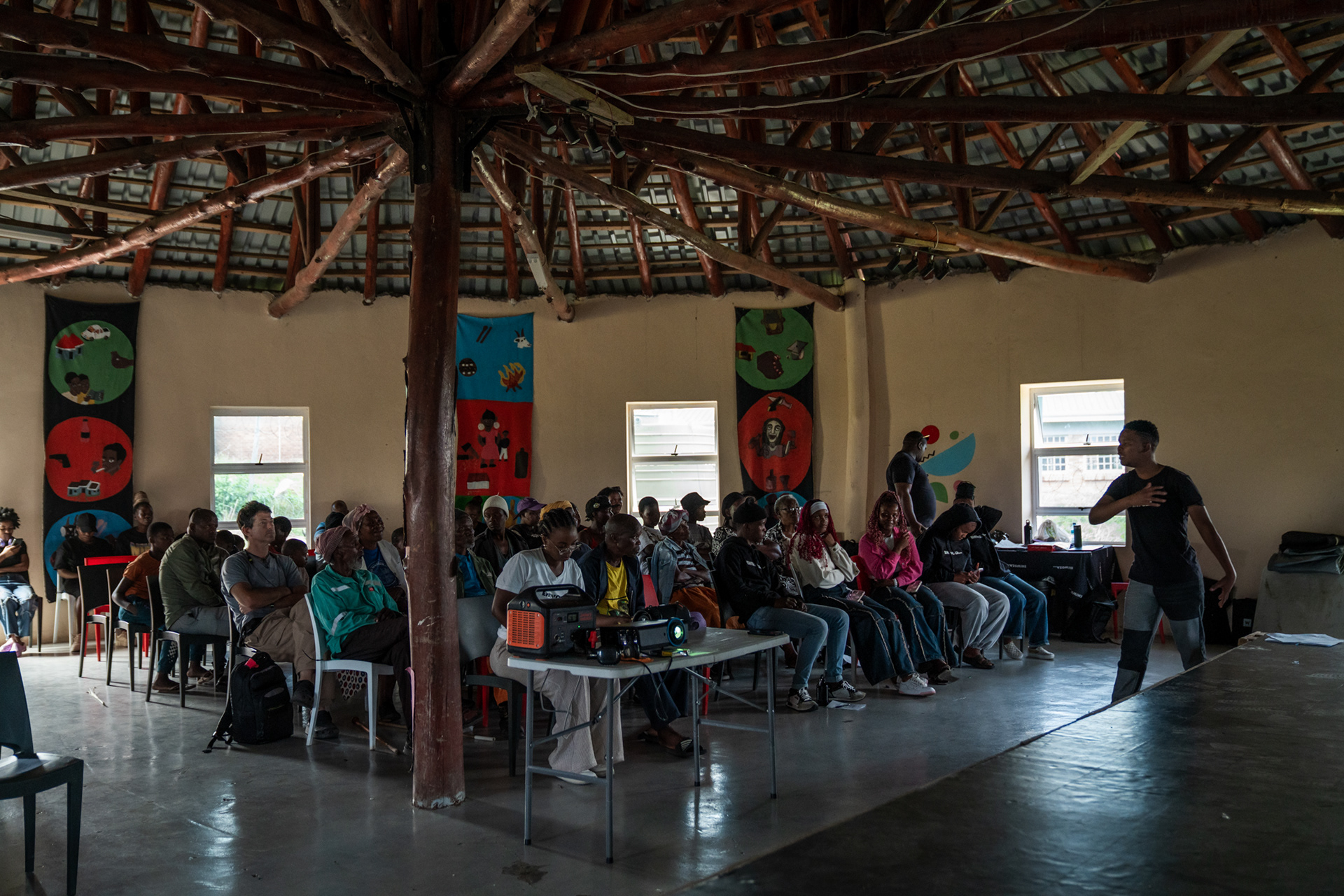
To close out our Trinity Challenge Youth Impact campaign, we hosted a community screening at Bulungula Incubator in Nqileni village, Eastern Cape.
Our campaign, Protecting Cultural Livelihoods, was built on the foundational premise that the people most affected by a problem are usually best placed to speak to it. Working with aspiring young filmmakers from the Job Skills Entrepreneurship Programme (JSEP), rural farmers, and Nomakhayas (community health workers), the campaign explored the relationship between traditional livestock practices and antimicrobial resistance.
AMR, the growing resistance of bacteria to antibiotics, is one of the most serious public health threats globally. In rural farming communities like the Xhora Mouth region, the effects are immediate and local. Antibiotics move through people, animals, water, and soil. Film was the chosen medium. Storytelling transmits personal and community values and experience in ways that data cannot. Produced in isiXhosa, the films recount stories and perspectives from within the local community.
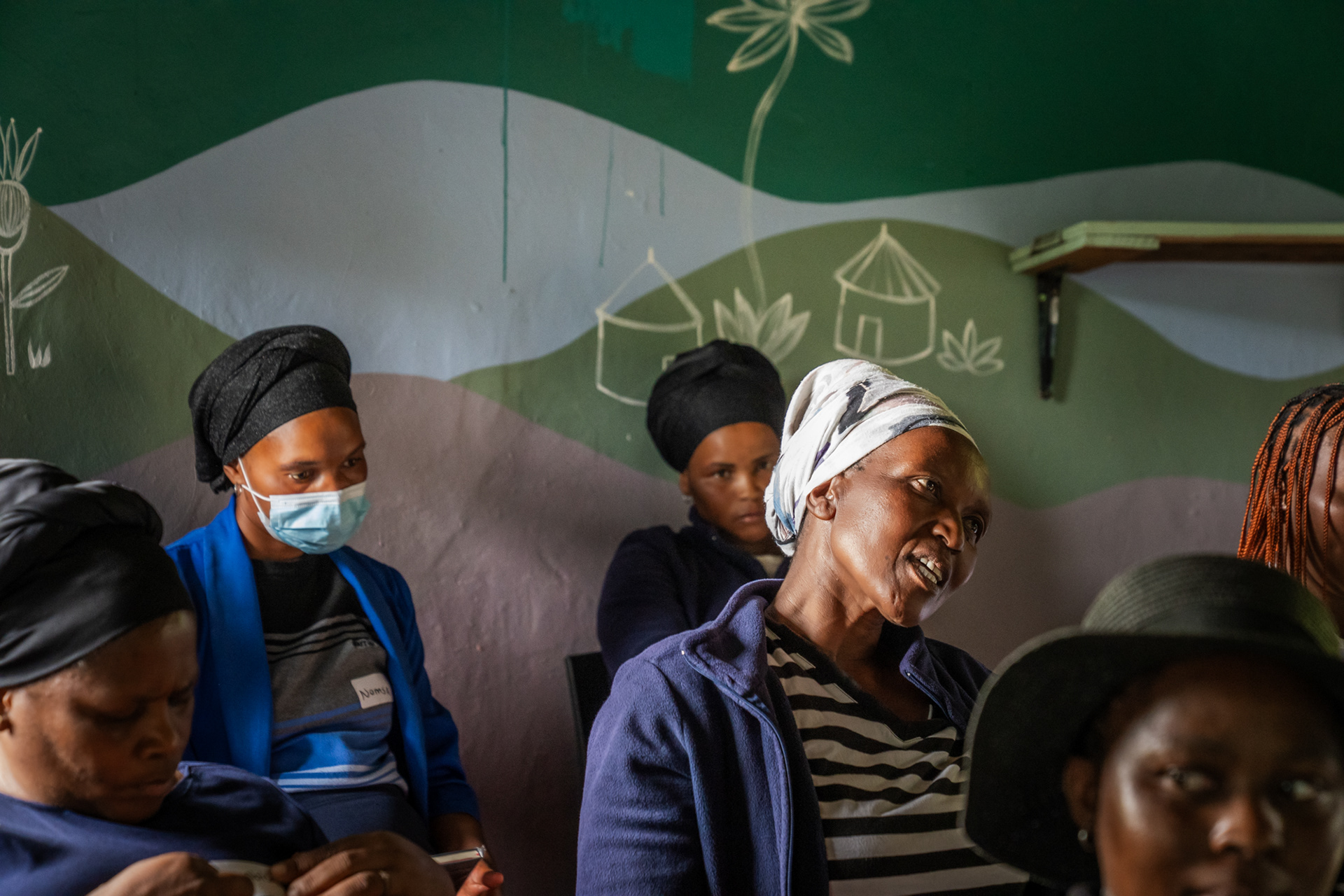
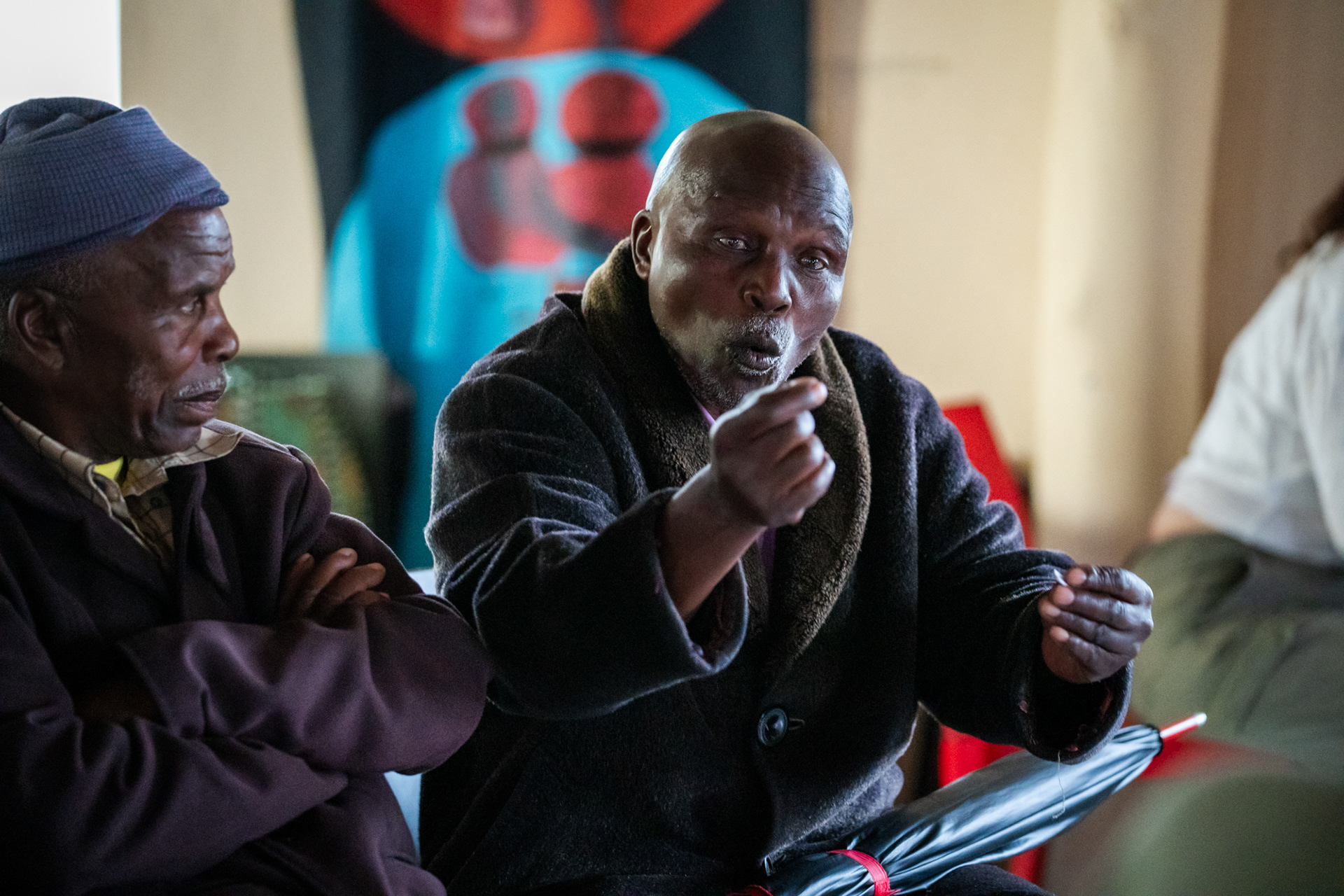
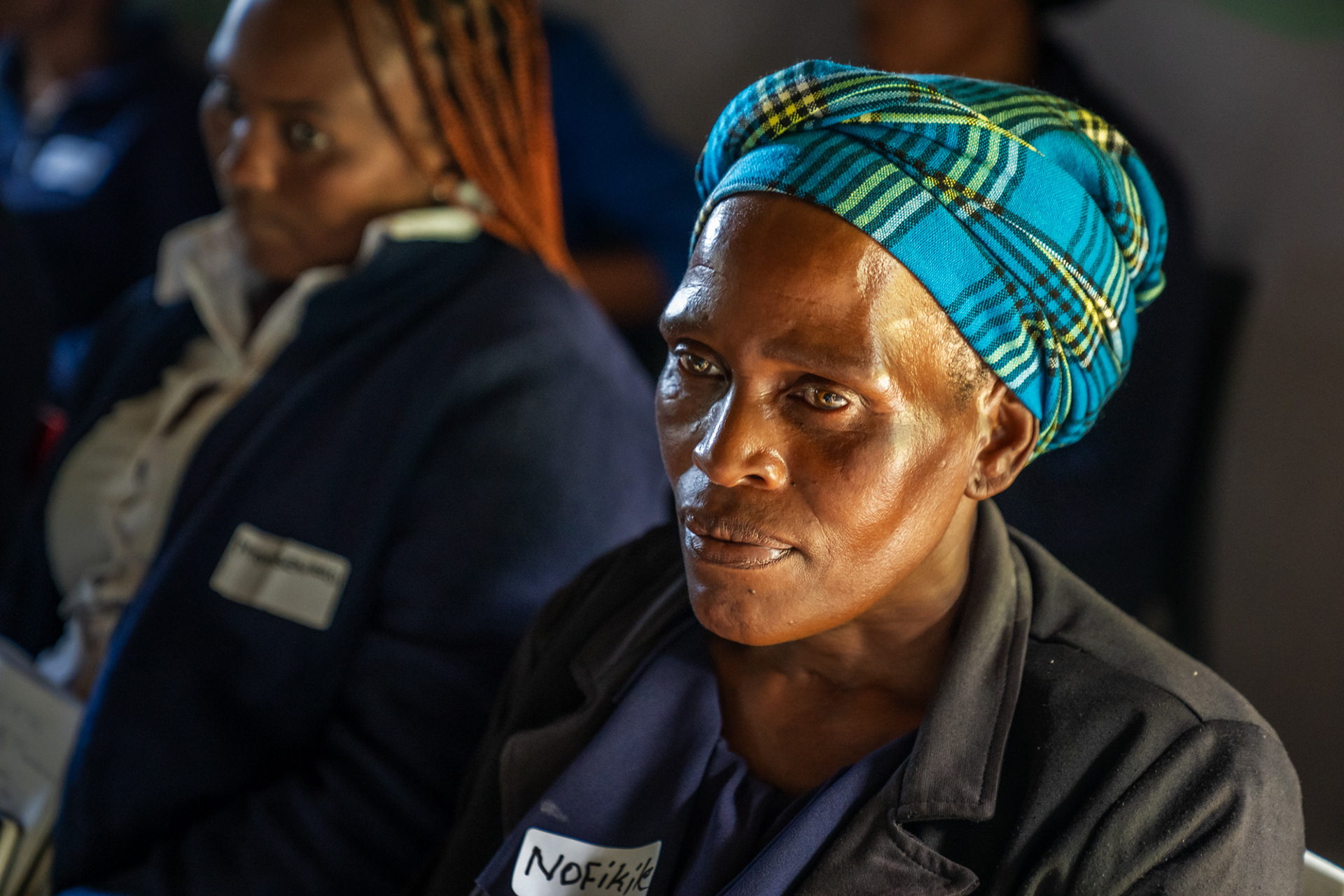
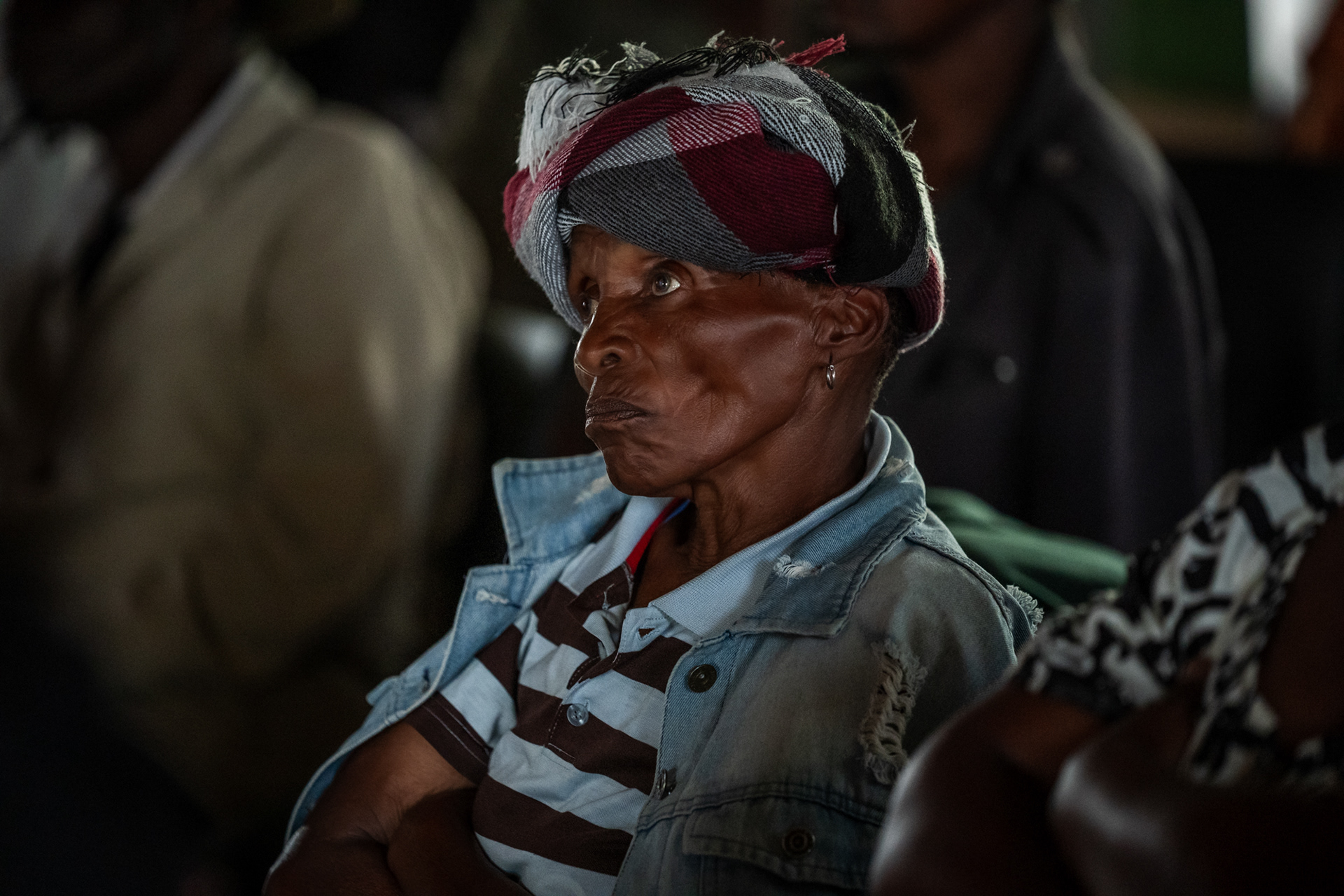
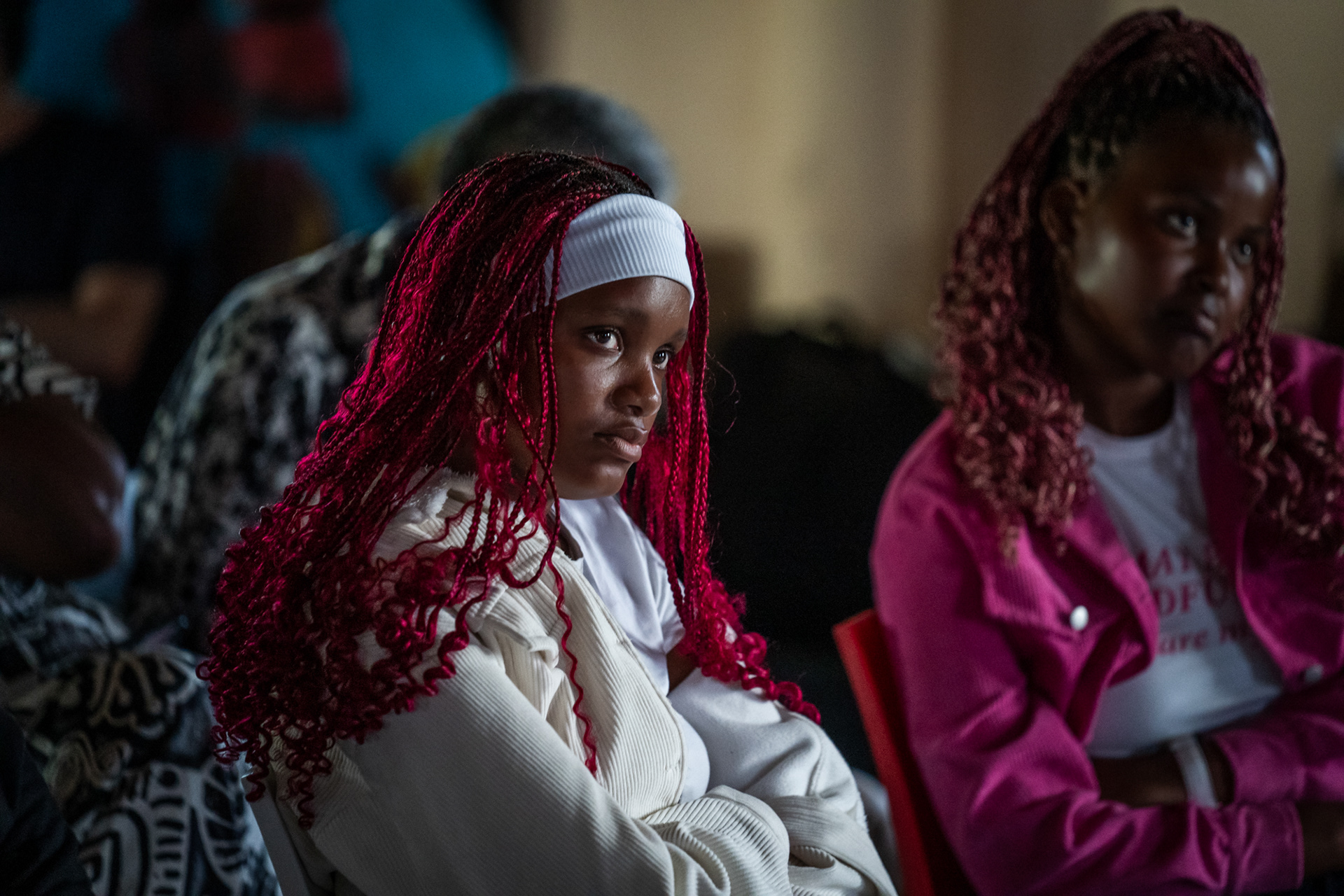
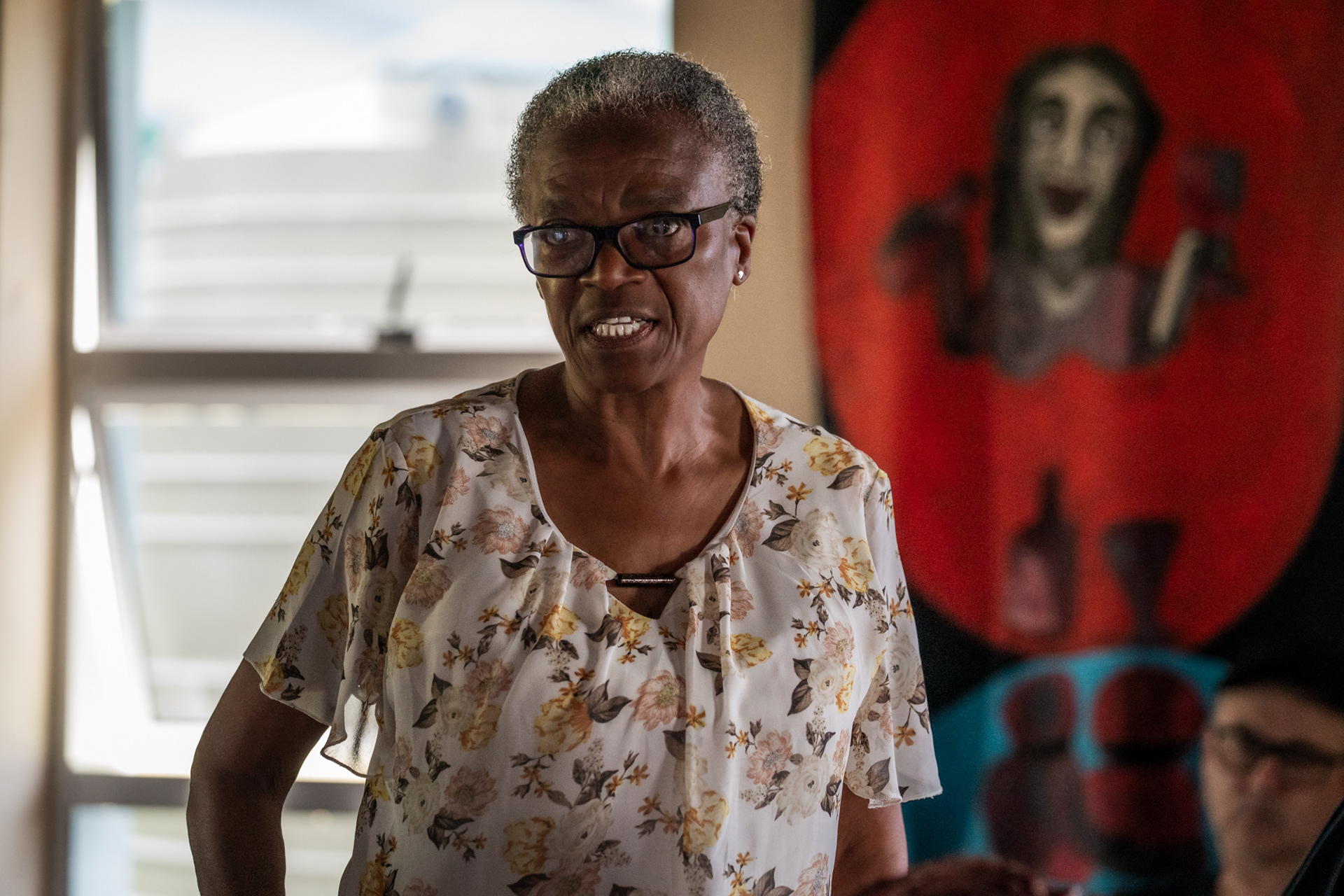
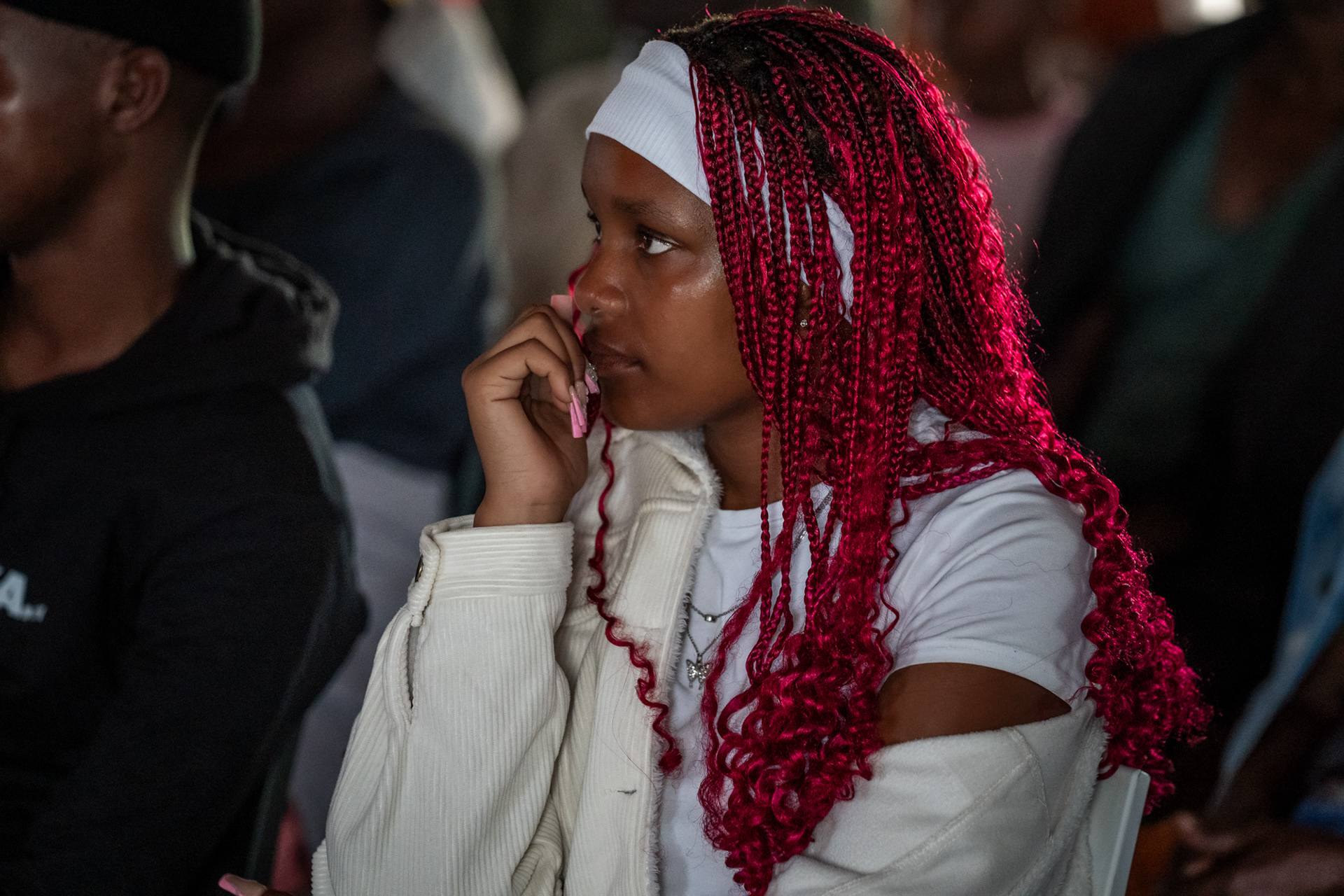
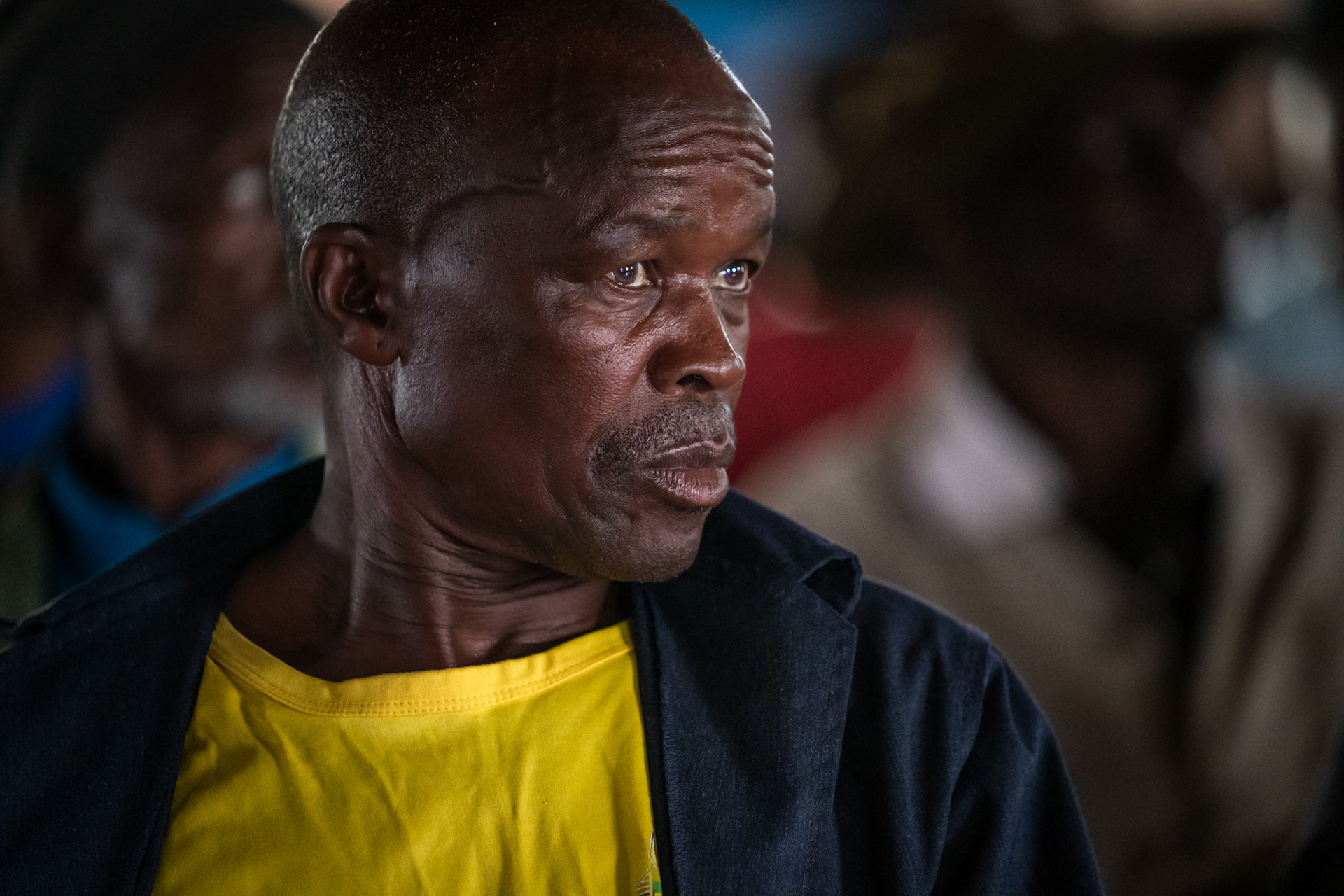
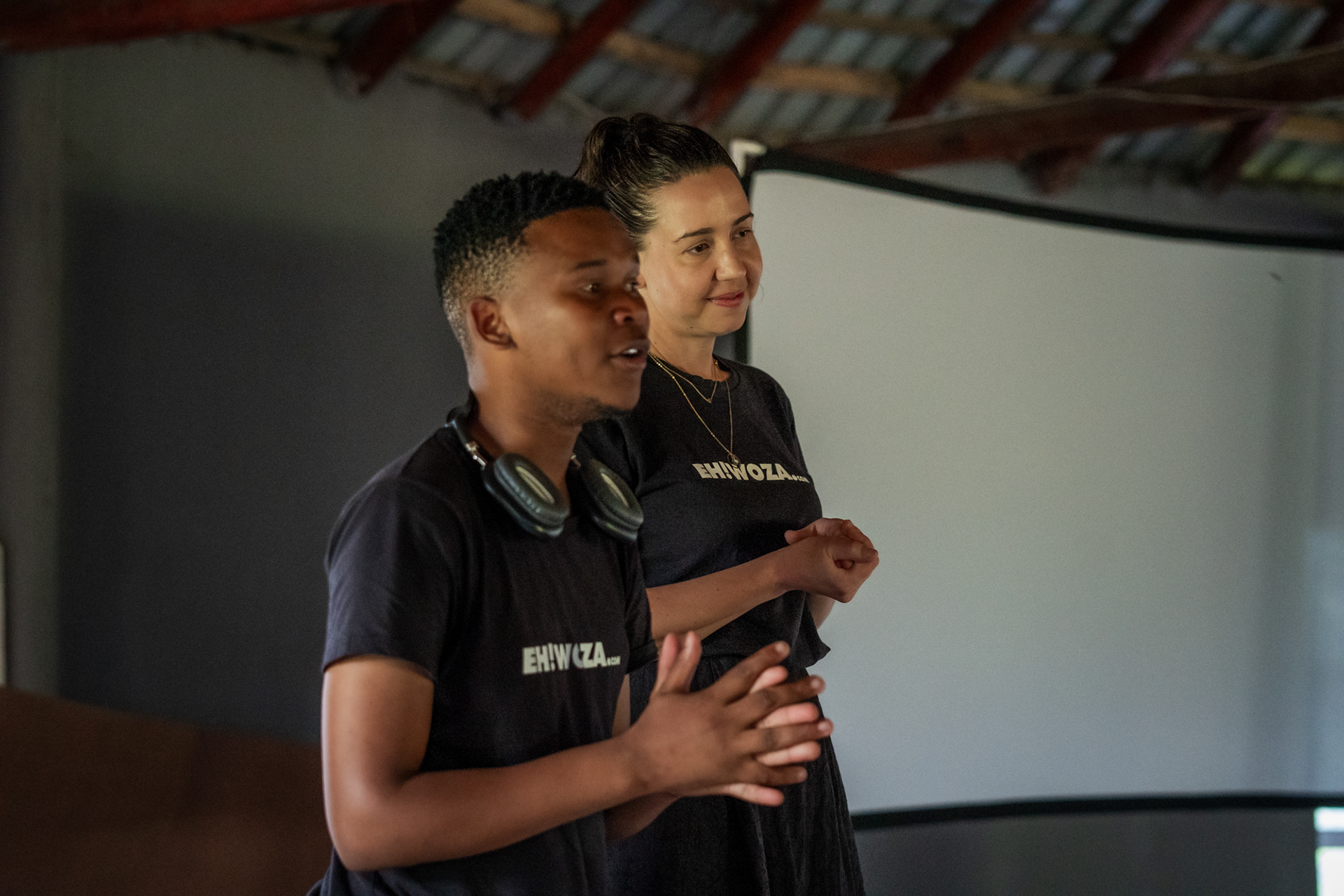
The screening brought together local residents, community leaders, farmers, Nomakhayas, and the young filmmakers to share the finished work and to open a conversation about antibiotic use, livestock practices, and what AMR means here. Eh!woza internship certificates were presented to the JSEP participants in recognition of incredible dedication and grit throughout the intensive filmmaking process. Formal recognition that adds up.
Our campaign, Protecting Cultural Livelihoods, was built on the foundational premise that the people most affected by a problem are usually best placed to speak to it. Working with aspiring young filmmakers from the Job Skills Entrepreneurship Programme (JSEP), rural farmers, and Nomakhayas (community health workers), the campaign explored the relationship between traditional livestock practices and antimicrobial resistance.
AMR, the growing resistance of bacteria to antibiotics, is one of the most serious public health threats globally. In rural farming communities like the Xhora Mouth region, the effects are immediate and local. Antibiotics move through people, animals, water, and soil. Film was the chosen medium. Storytelling transmits personal and community values and experience in ways that data cannot. Produced in isiXhosa, the films recount stories and perspectives from within the local community.
The screening brought together local residents, community leaders, farmers, Nomakhayas, and the young filmmakers to share the finished work and to open a conversation about antibiotic use, livestock practices, and what AMR means here. Eh!woza internship certificates were presented to the JSEP participants in recognition of incredible dedication and grit throughout the intensive filmmaking process. Formal recognition that adds up.